Driveways and Patios Built to Last
Residential Concrete Delivery in Watkins and surrounding areas for driveways, garage slabs, patios, and home flatwork poured on schedule and spec
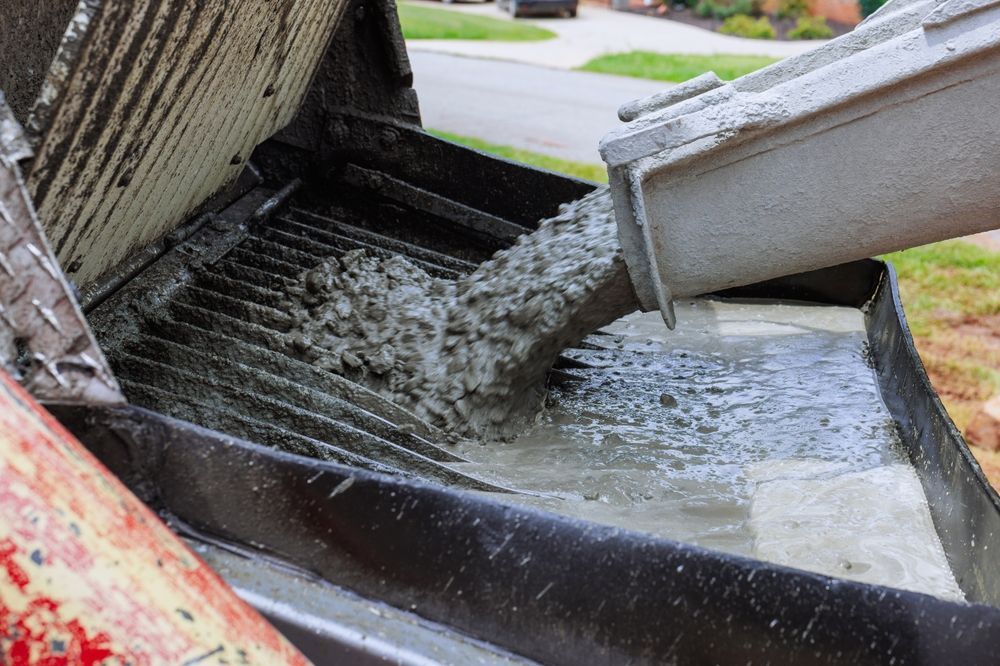
Homeowners pouring driveways, patios, and shop floors in Wright, Stearns, Kandiyohi, McLeod and Meeker Counties often work with tight budgets and limited crew availability, which makes getting the right mix the first time essential. West Central Ready Mix Sand and Gravel delivers mix-calibrated concrete for residential flatwork, with slump adjusted for the finishing time your crew needs to screed, float, and trowel before the surface sets. The mix arrives ready to place, not overly stiff or soupy, because calibration happens at the plant based on the application you describe when ordering.
PSI specifications are tailored to the application—driveways require different compressive strength than backyard patios, and garage slabs that will support vehicle weight need higher PSI than decorative walkways. Air-entrained mix is available for all exterior residential pours, which is critical in Minnesota where freeze-thaw cycles cause unprotected concrete to spall and crack within a few seasons.
Request a free estimate to confirm mix spec recommendations and delivery cost for your specific residential pour.
What the Right Mix Spec Prevents
Air entrainment creates microscopic bubbles in the concrete that allow frozen moisture to expand without fracturing the surface, which is why exterior slabs poured without it often develop surface flaking and edge damage after the first winter. The right PSI prevents cracking under load—driveways carrying trucks need 4000 PSI or higher, while patios and walkways perform well at 3000 PSI because they don't bear vehicle weight.
After the pour cures, you'll see a smooth, even surface without premature cracking or scaling at the edges. The slab holds up to seasonal freezing without spalling because air-entrained voids absorbed the expansion pressure that would otherwise split the concrete.
Mix spec guidance is provided at the ordering stage so you're not left guessing which PSI or slump to request. West Central Ready Mix Sand and Gravel is locally and family owned, insured, and focused on helping residential customers avoid costly rework caused by incorrect mix selection.
Questions Homeowners Ask Before Ordering
Residential pours vary widely in size and complexity, so questions tend to focus on getting the right mix without overcomplicating the order or paying for features the project doesn't need.
How do I know what PSI to order for a driveway?
Driveways that will support passenger vehicles typically use 3500 to 4000 PSI, while driveways expecting heavier trucks or equipment may need 4500 PSI to prevent stress cracking under repeated load.
What is air-entrained concrete and do I need it in Watkins?
Air entrainment adds microscopic voids that protect exterior concrete from freeze-thaw damage, which is essential for Minnesota's winter conditions where unprotected slabs fail within a few freeze cycles.
Why does slump matter for flatwork finishing?
Lower slump mixes are stiffer and hold edges better during screeding, while higher slump flows easier for large pours but requires more skill to finish without surface water pooling.
How much concrete do I need for a standard two-car driveway?
A 20-by-20-foot driveway poured four inches thick requires about 5 cubic yards, though exact volume depends on the slab thickness and whether you're adding a thickened edge or apron.
Can I get mix recommendations before I finalize my order?
Yes—calling ahead with your project details allows the team to suggest the right PSI, slump, and air entrainment level so you're ordering exactly what the job requires.
West Central Ready Mix Sand and Gravel is insured and based in Watkins, serving homeowners across central Minnesota with knowledgeable, straightforward service. Call for a free estimate and mix spec guidance tailored to your driveway, patio, or garage slab project.